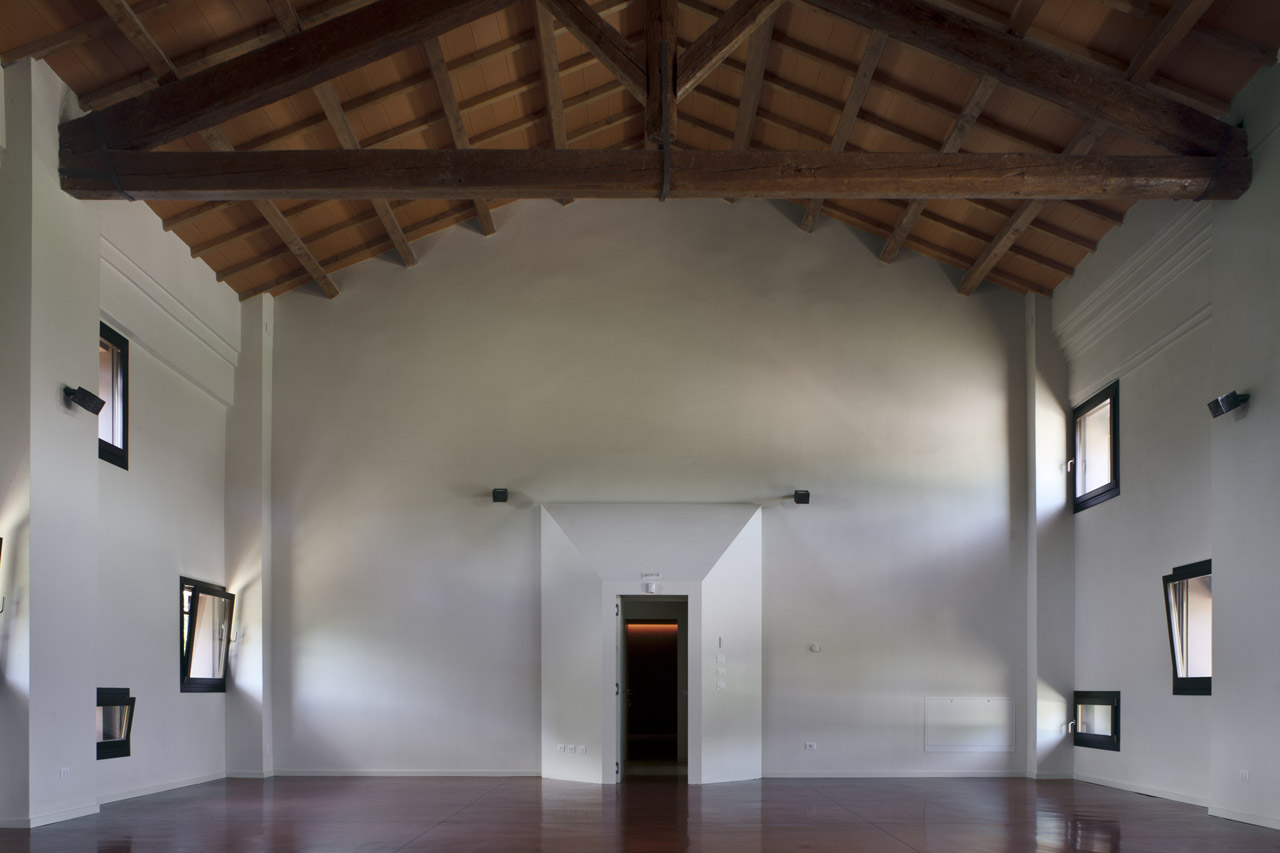
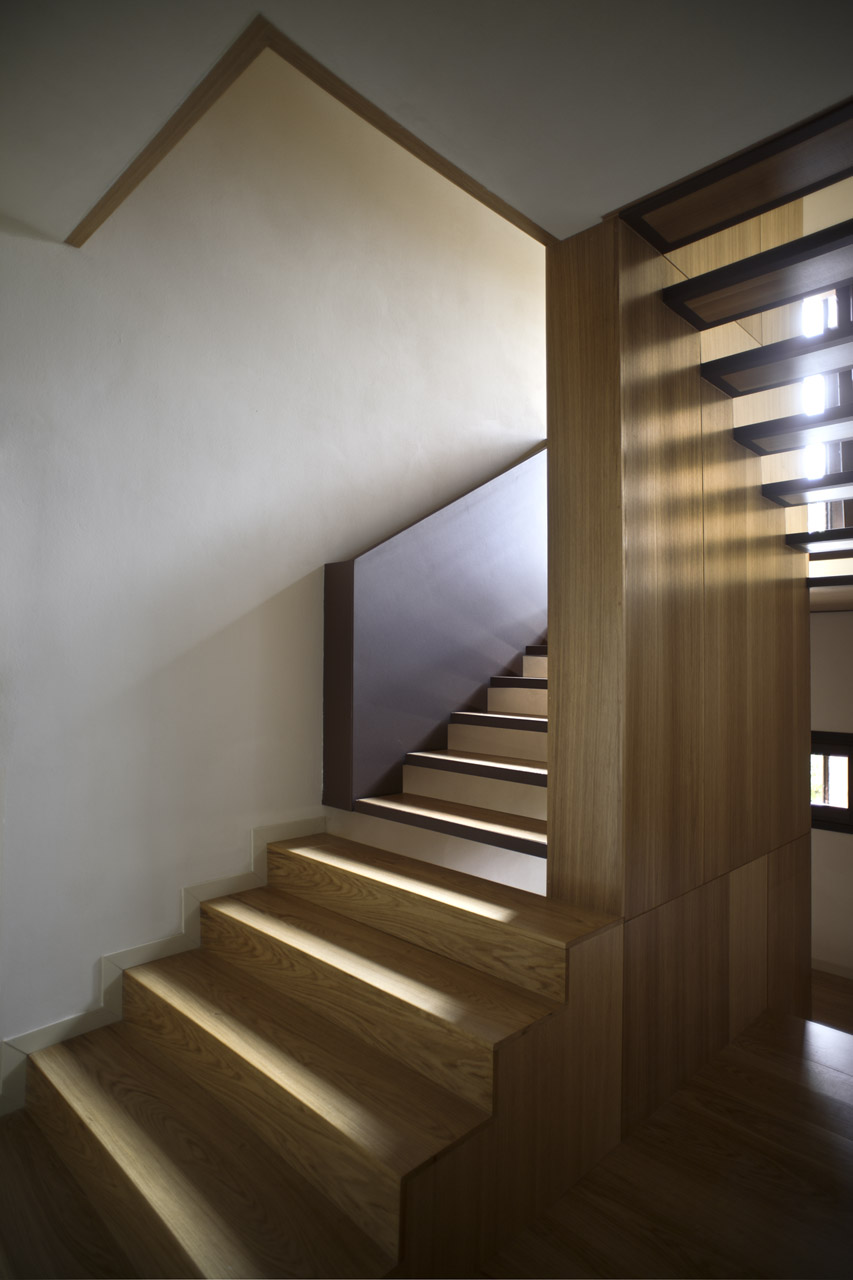


For 16 days in June 2016, Christo will reimagine Italy’s Lake Iseo. The Floating Piers will consist of 70,000 square meters of shimmering yellow fabric, carried by a modular dock system of 200,000 high-density polyethylene cubes floating on the surface of the water.
The Floating Piers, Project for Lake Iseo, Italy

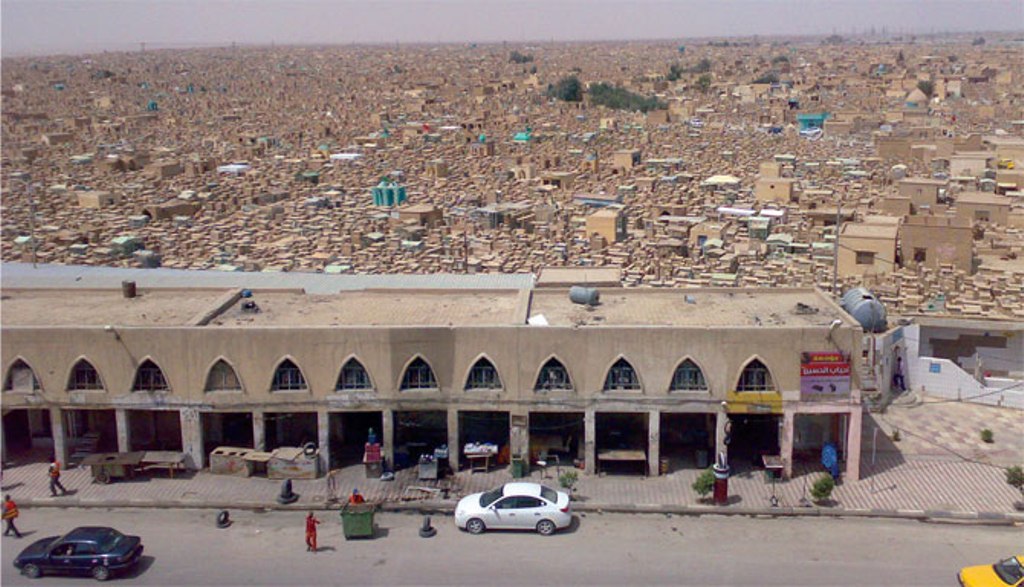

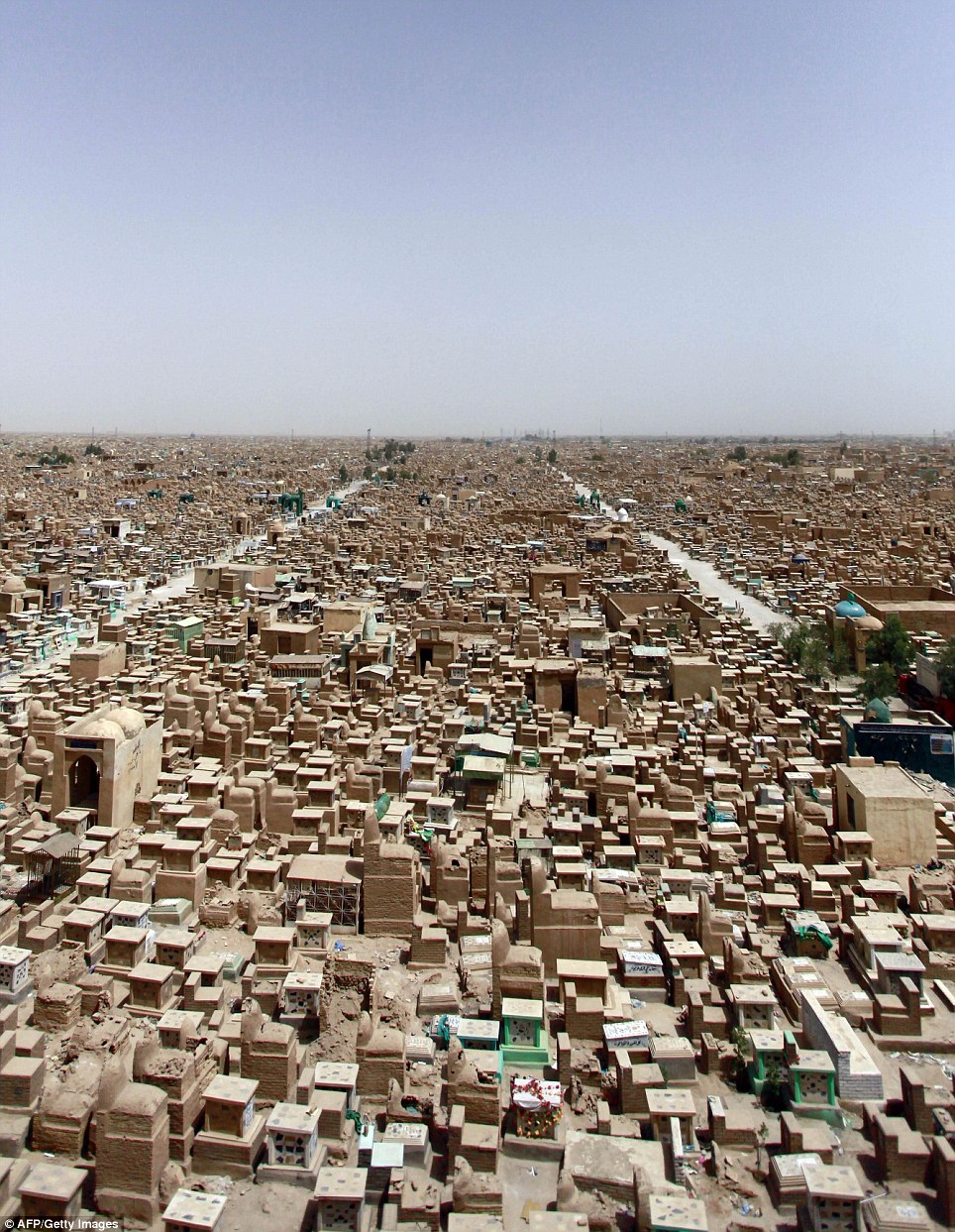


Wadi Al Salaam Cemetery, Najaf, Iraque
Wadi Al-Salam Cemetery is one of the largest cemeteries in the world; it includes the remains of millions of Muslims and dozens of scientists, guardians, and dutifuls. As well as the remains of the prince of faithfuls, Ali Ibn Abi Talib and graves of prophets of God, Salh and Hod. The cemetery extended from the center of the city to the far north-west and forms 13% from the area of the city, and it measures 917 hectares. Wadi Al-Salam cemetery considers the spirit of the city because it is visited by millions of Muslims of various parts of the world. The date of burial in the cemetery back to ancient times before the middle ages, and it includes number of prophets, and dutifuls graves. Also were buried in it the kings of Al-Hira and it's leaders from Al-Sassani Era (637-226) and were buried in the cemetery companions, kings, Sultans, princes of the state of Hamdania, Fatimia, Al-Buwayhyia, Saffawayia, Qajar,and Jalairiyah. Wadi Al-Salam cemetery had included several kinds of burial, which were lower graves, and high graves (towers).There was a way of burial inside special rooms allocated to each family. As well as the way of burial inside valuts, were rooms carved underground and the way of getting down to it was by ladder, which included remains of quite number of the deads.
Unesco

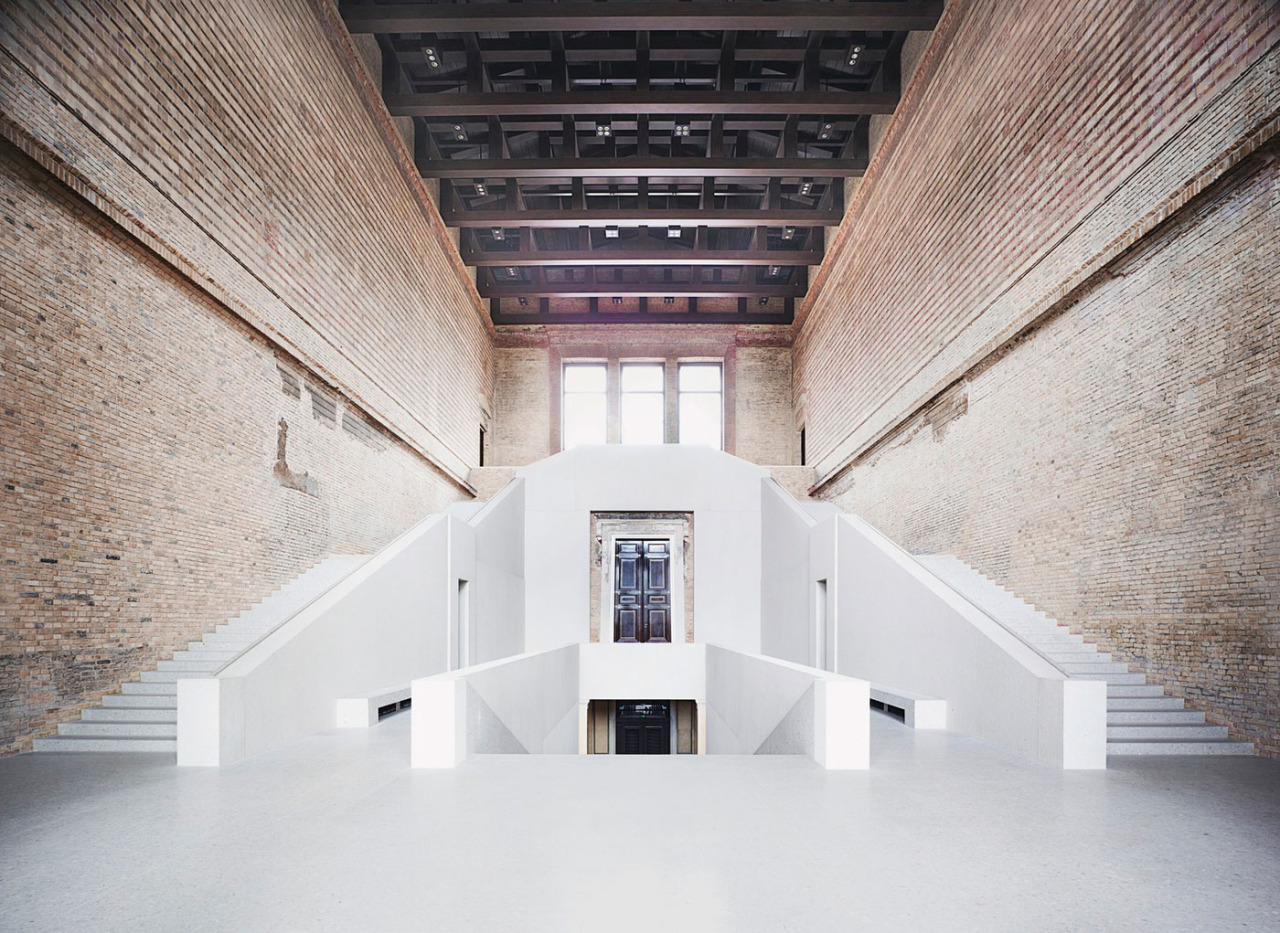
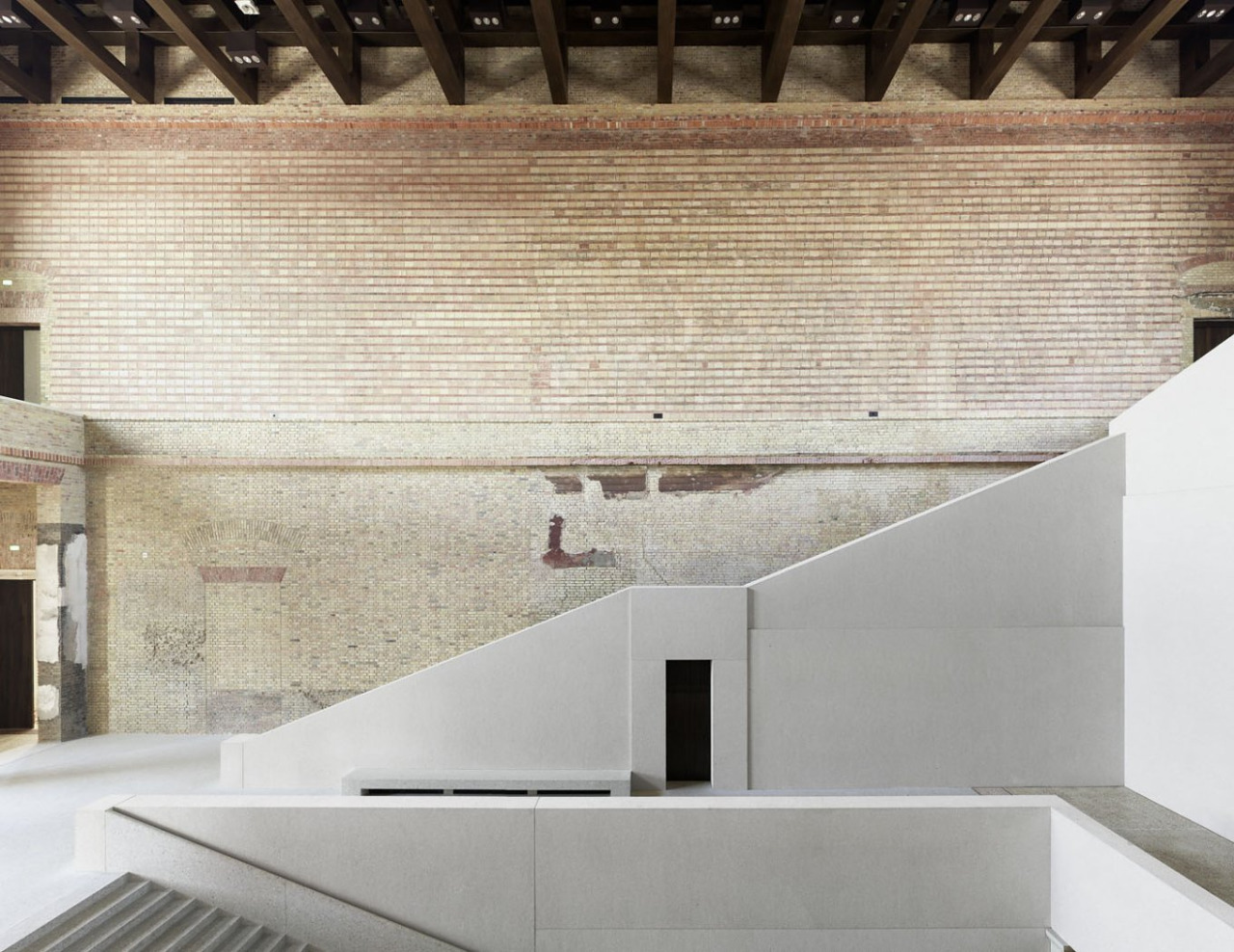

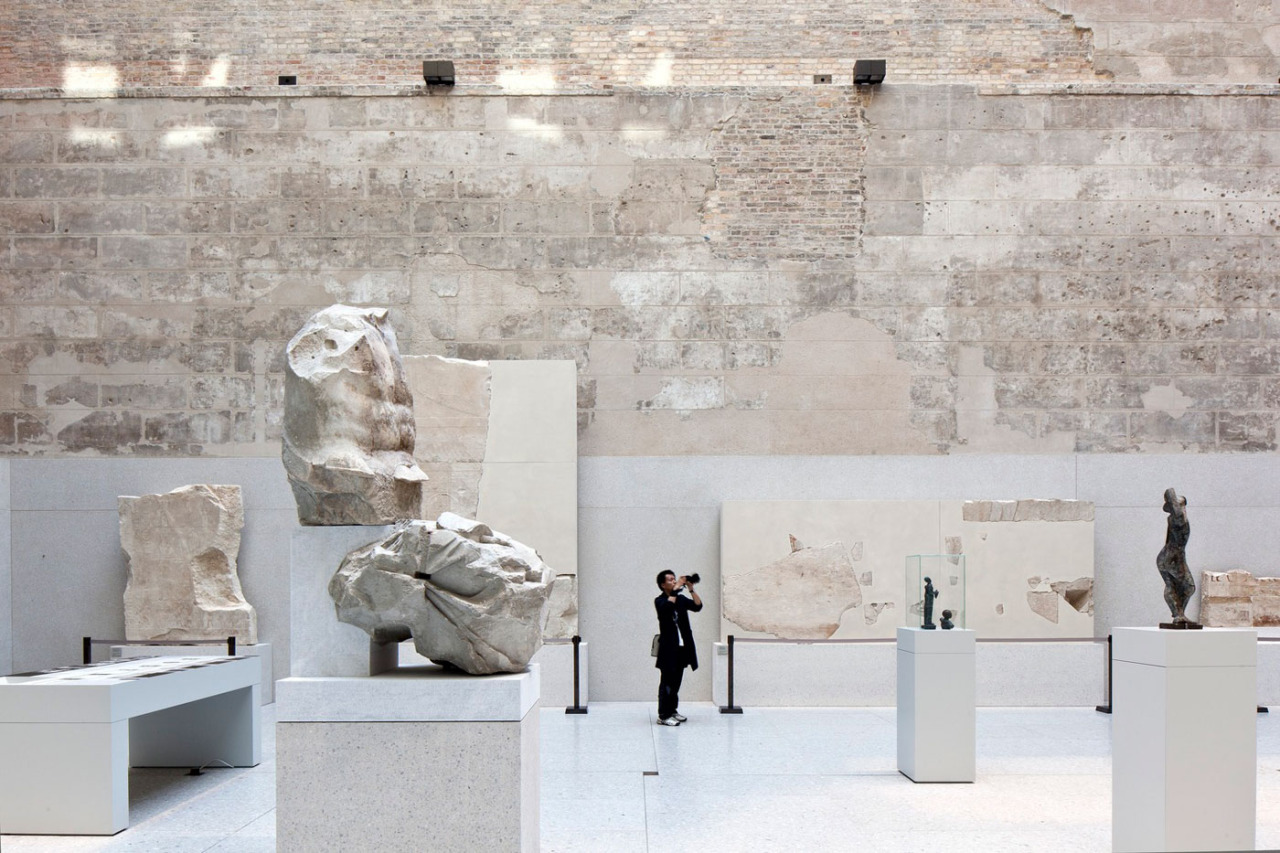
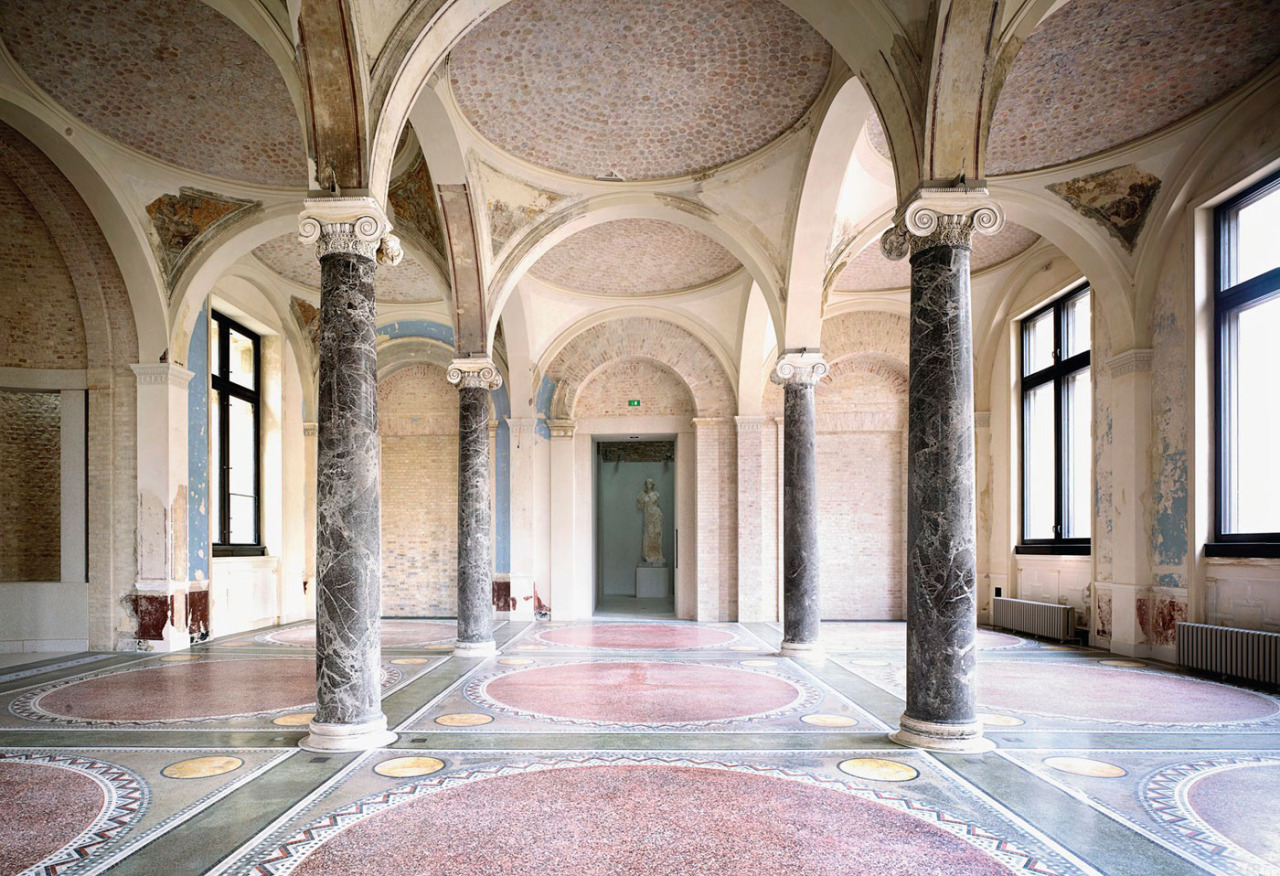
Extensive bombing during World War II left the building in ruins with some sections severely damaged and others completely destroyed. Few attempts at repair were made after the war, and the wreck was left exposed with only a minimum of consolidation and protection undertaken during the GDR period. After David Chipperfield Architects’ appointment to the project in 1997–98, the building and restoration took nearly eleven years to complete, and the entire Museum Island was added to the UNESCO World Cultural Heritage list in 1999.
In October 2009, after more than sixty years as a ruin, the Neues Museum reopened to the public as the third restored building on Museum Island, exhibiting the collections of the Egyptian Museum and the Museum of Pre- and Early History. The building bears witness to its complex history while some of its original technological innovations have been laid bare. The very incompleteness of its decorative pattern helps to create a holistic understanding of the historic and contemporary structure and its original and current purpose.
Neues Museum, Museum Island Berlim, 1997-2009